

The Sci-fi issue has landed 🚀
Take a look inside


A Rabbit’s Foot editor-in-chief Charles Finch introduces our latest issue, a celebration of science fiction—yesterday, today and tomorrow. Order it here.
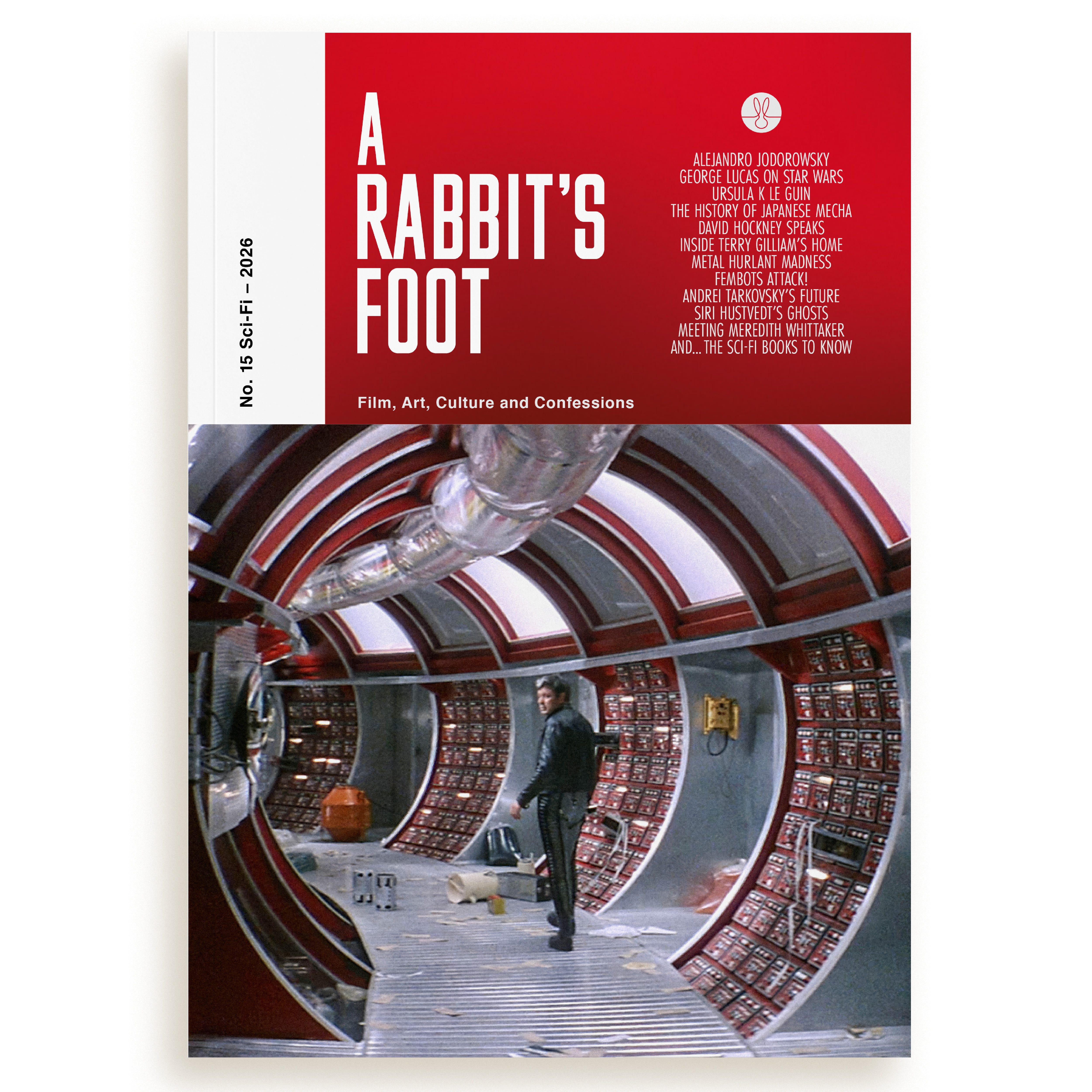
In this issue we transport you to the world of science fiction. A world where everything is possible, and in which (for the most part, at least) Homo sapiens has survived the early wars of planet Earth—and our instincts for self destruction. We have evolved to interplanetary good guys. Sure, there are fights for raw materials in the sci-fi world—see Dune—and mankind’s mortal enemies, the Klingons and Daleks, but for the most part what lies ahead for us is, at the hands of the great writers of the form such as Isaac Asimov, Arthur C Clarke, and Ray Bradbury, a better universe...
I have always been a dreamer and a believer. It comes easily to me: the idea that man will build a better place than the one we are in the process of destroying; that humans can get it right in the end. Perhaps the very essence of Christianity— of all faiths—is that there is something better out there for us and our children if we behave with more humanity. Science fiction is an opioid to the masses. The great stories of interplanetary travel and the plots that transport us in their optimism, giving us hope that perhaps there is more out there than just us, are, in my mind, without question. And, as it happens, I know where this hopeful certainty came from: the cinema.
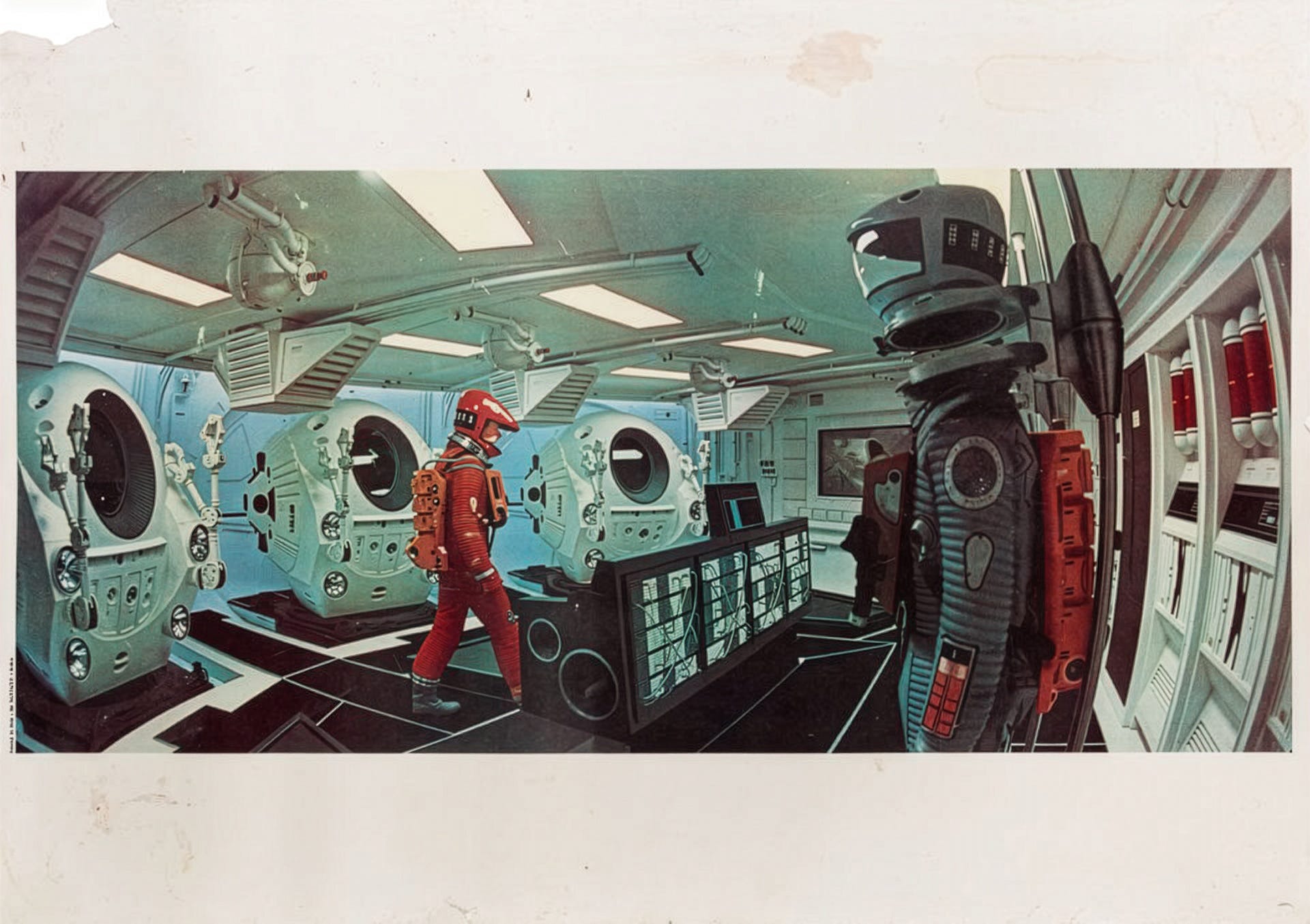
One summer, my mother took me to see Stanley Kubrick’s 2001: A Space Odyssey at the Odeon in Leicester Square. It was 1968. I was five years old—a wee bit young for this complex masterwork. The lights went down in the huge auditorium and, in the darkness, Johann Strauss’s The Blue Danube filled the room as the prelude to the film. We sat in the silent blackness holding hands. For a full five minutes we waited until the movie came to life, and with those extraordinary first scenes my own life changed forever. That was it for me. I was set up from then on to dream and to seek—to discover that things would be fine in the end for my fellow beings. Thank you Mr Kubrick.
Star Trek was the next stop for my science-fiction entertainment and education. Then followed the masterworks of Steven Spielberg—Close Encounters of the Third Kind and ET—and Robert Zemeckis’s Contact, adapted from Carl Sagan’s novel; particularly inspiring as Sagan had, as a scientist, real credibility. Christopher Nolan was the next sci-fi master for me, thanks to his wonderful Interstellar.
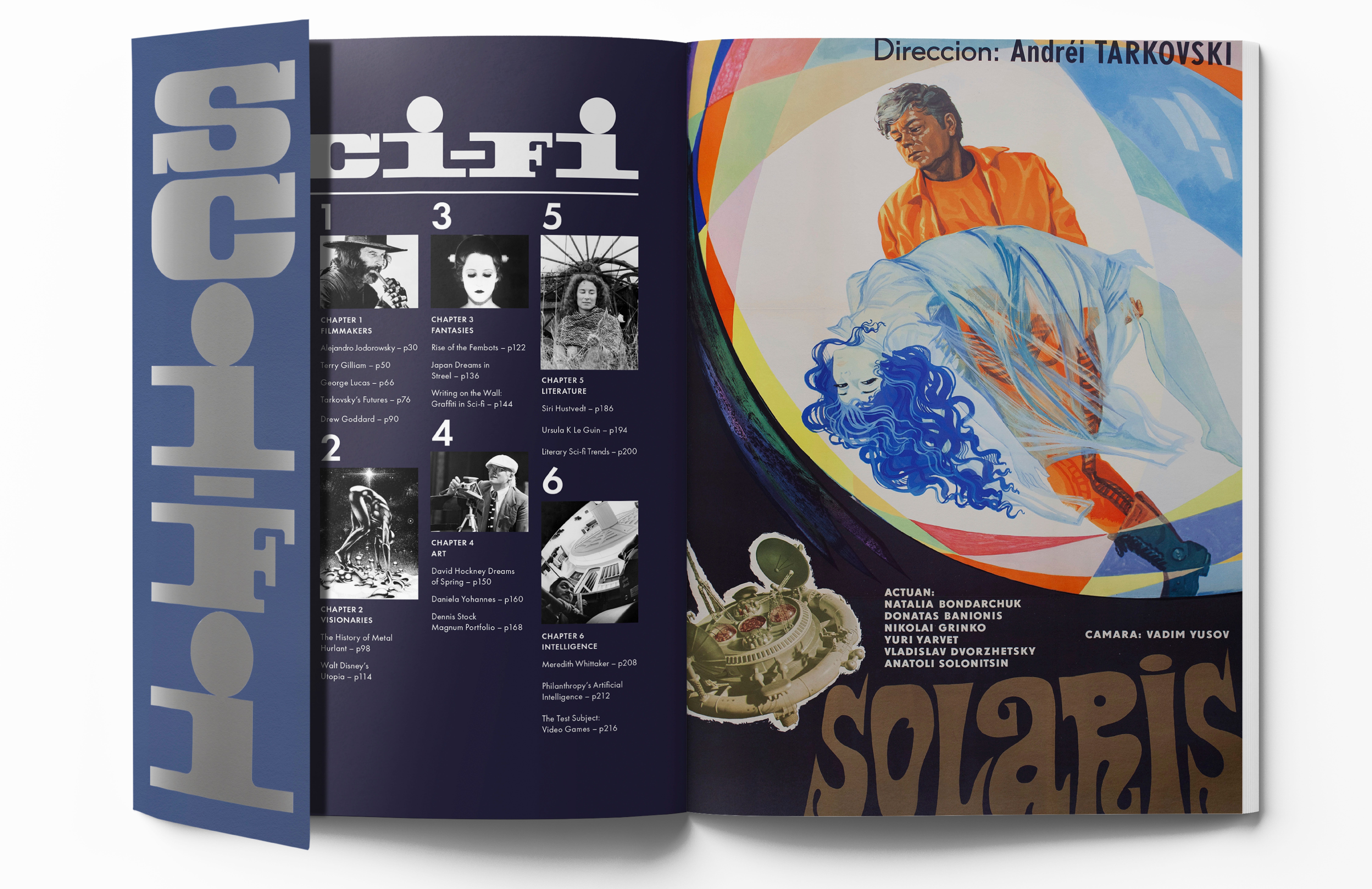
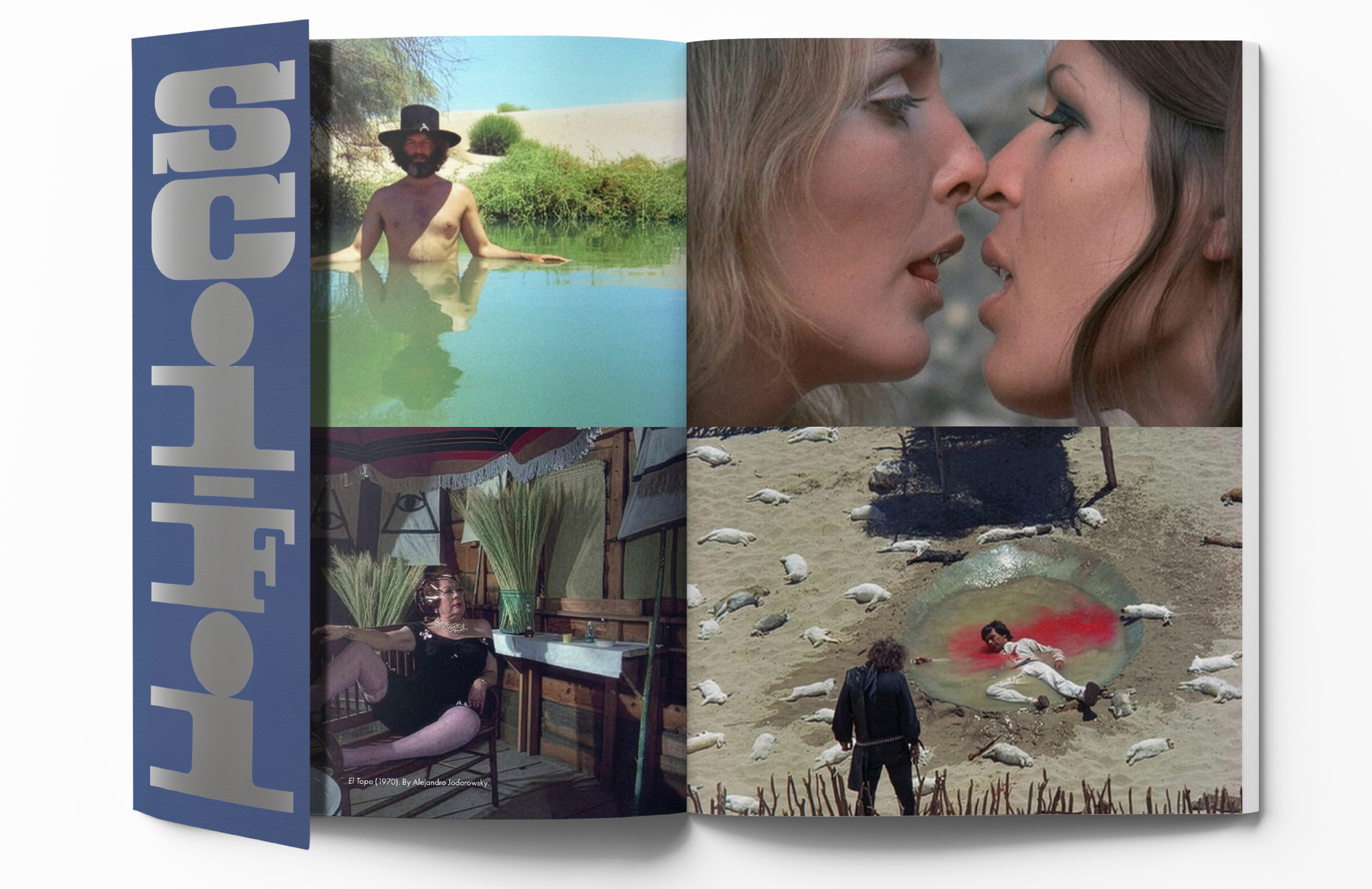
My brain is mostly open to science fiction that is smart and has an essence of underlying possibility. In other words, the stories that leave you feeling we are almost there in our scientific breakthroughs. I like that truth. I am also open to fantasist writers such as Carlos Castaneda and to magical surrealism of all kinds. So within these pages, enjoy reading about the people behind these visions in a wide variety of forms, from the obscure to the commercial. We bring you pieces from the art-house world of Alejandro Jodorowsky, whose unrealised Dune adaptation is sci-fi legend. He reads Chris Cotonou’s tarot cards in their interview. Then there is the world of fantasy gaming, where AI competes directly with the player on a level never before imagined. Sam Murphy explores Japanese mecha—where robots are driven by humans—and the work of Go Nagai, the writer and futurist artist whose work became relevant enough to influence Japanese politics. Geordie Greig, one of our great national newspaper editors, interviews his friend David Hockney, an artist big enough in talent and spirit to be comfortable drawing in the sand, painting with oils or watercolor, and using an iPad to produce a tapestry. Larry Kramer, president and vice chancellor of the London School of Economics, explains where AI and philanthropy meet in a fascinating essay. You will be surprised at how serious and evolved philanthropic institutions are taking the AI threat. Meredith Whittaker, who founded Google Open Research and is president of the non-profit messaging app Signal, speaks to Chiara Towne in Paris about tech art and science fiction.
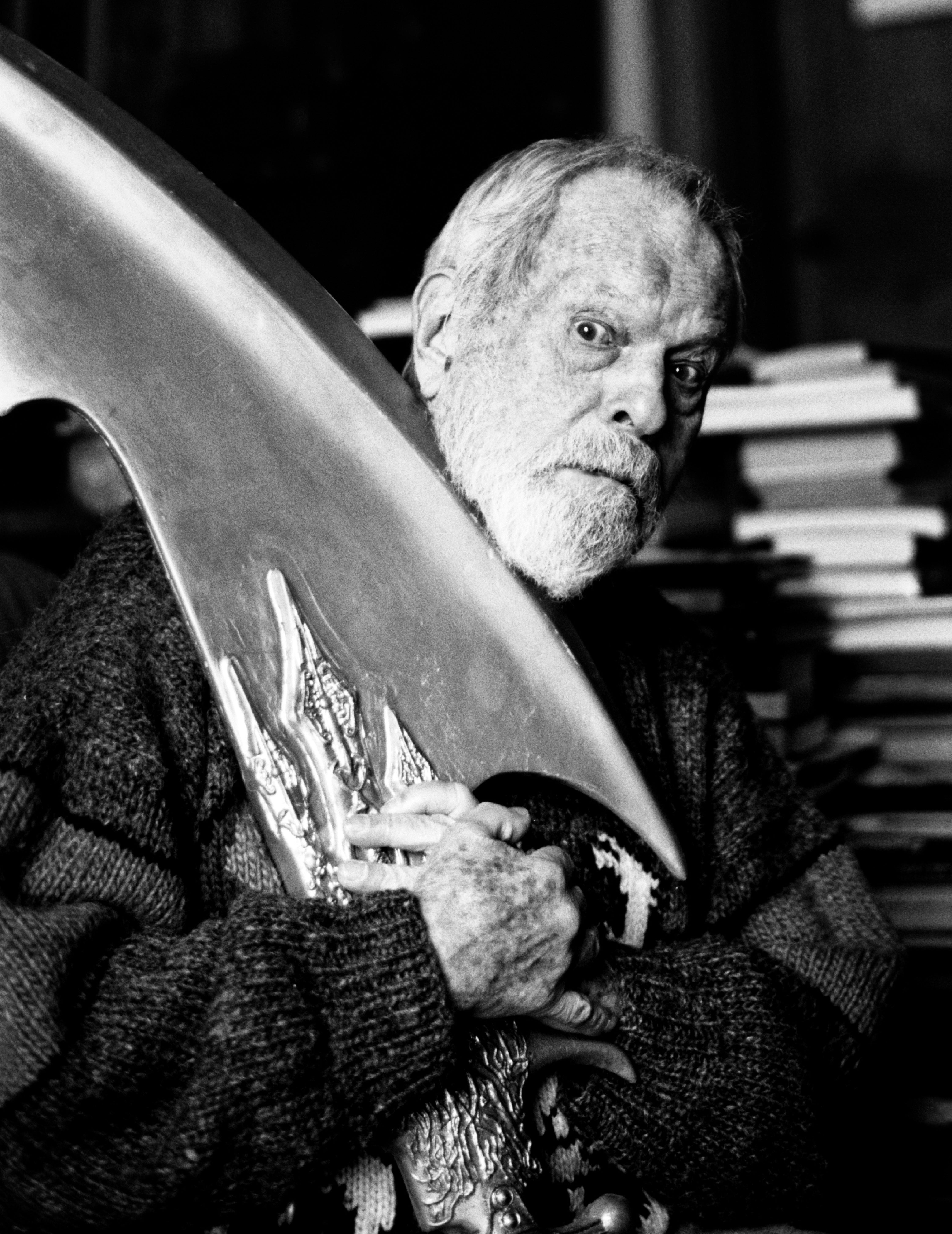
There is fun stuff too—don’t panic—including photo essays from the Magnum archives on The Planet of the Apes and strips from Métal Hurlant, the most influential sci-fi comic book ever. Not to mention Walt Disney’s obsession with building a utopia and a trip to Brazil director Terry Gilliam’s home. In all, we present to you here— as ever—our view of the magic of artists who think of worlds beyond our own; where all and everything is possible. In these pages, Fatima Khan and her creative team let you dream. We are out and about, us Rabbits. Not down a hole for us—no sir—we are up in the stars, gazing at the new world of Arthur C Clarke’s Europa...
The sci-fi issue is available to order now